
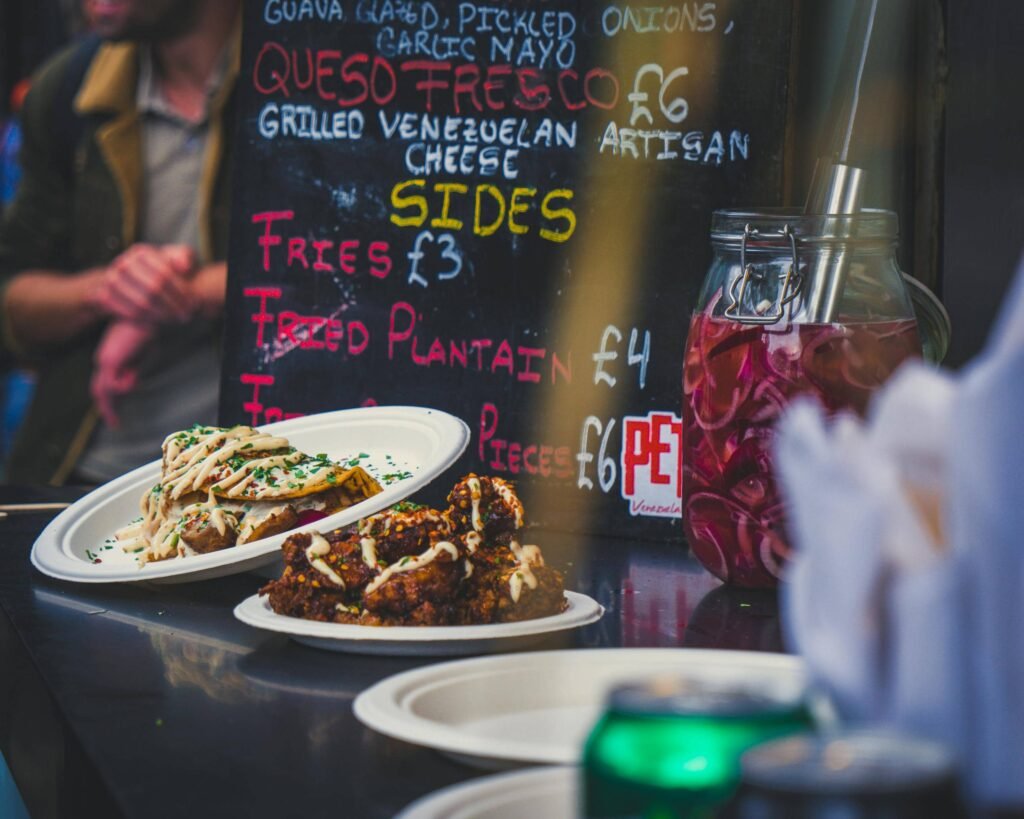

Starting a restaurant has historically required a large amount of capital, long term leases, and significant risk before a single customer walks through the door. For many aspiring operators, that upfront burden is the main barrier between a strong concept and real world execution. In recent years, carts and pop ups have emerged as a practical alternative, offering a way to test ideas, build an audience, and generate revenue without committing to a permanent location.
These mobile and temporary formats are not a compromise. When managed thoughtfully, they can be some of the most profitable models in food service. Lower overhead, faster setup, and direct customer feedback make them an attractive entry point for new restaurants that want flexibility and financial discipline from the start.
Lower Startup Costs Create Immediate Margin Opportunities
One of the strongest advantages of carts and pop ups is the dramatically reduced startup cost. Traditional brick and mortar restaurants face expenses such as buildouts, permits, furniture, utilities, and long leases. These costs can delay profitability for months or even years.
Carts and pop ups strip the model down to essentials. Equipment is limited to what is needed to execute a streamlined menu. Space is rented by the day, week, or event rather than locked into long contracts. Utilities are often shared or provided by venues and organizers.
Because the initial investment is smaller, operators can reach break even faster. Revenue generated in early weeks often goes toward refining the concept rather than servicing large debts. That financial breathing room allows new owners to focus on food quality and customer experience, which further strengthens margins.
Menu Focus Drives Efficiency and Consistency
Pop ups and carts reward simplicity. With limited space and equipment, menus must be concise and intentional. This constraint is not a disadvantage. In practice, it leads to greater efficiency and consistency.
A focused menu reduces ingredient waste and simplifies inventory management. Prep time becomes predictable, and staff training is faster. When fewer variables are involved, quality control improves naturally.
Customers also respond well to clarity. A short menu communicates confidence and specialization. It invites repeat business, especially when one or two standout items become associated with the brand. As demand grows, operators can raise prices strategically, supported by proven popularity and efficient cost structures.
Mobility and Storage Support Operational Flexibility
Mobility is central to the success of carts and pop ups. Being able to move locations allows operators to pursue higher traffic events, adapt to seasonal demand, and follow their customers rather than waiting for customers to find them.
This flexibility extends to storage and logistics. Equipment, signage, and ingredients must be transported and secured efficiently. Many operators rely on personal vehicles to support operations, turning them into mobile supply hubs. Practical organization tools such as a truck bed storage toolbox can make loading, unloading, and setup faster while protecting essential items during transit.
Operational efficiency compounds over time. When setup becomes routine and equipment is easy to access, staff can focus on service and speed. Faster service means higher throughput, which directly improves daily revenue potential.
Real Time Market Testing Reduces Long Term Risk
Carts and pop ups function as real world testing grounds. Instead of guessing what customers want, operators receive immediate feedback. Sales patterns reveal which items resonate. Conversations provide insight into pricing tolerance and brand perception.
This data driven approach reduces long term risk. Concepts can be adjusted before committing to a permanent location. Recipes can be refined, branding improved, and processes optimized based on actual demand rather than assumptions.
Pop ups also create urgency and exclusivity. Limited availability encourages customers to show up and share their experience. This organic marketing builds awareness without large advertising budgets. When the time comes to expand, there is often an existing audience ready to follow.
Scalable Growth Without Losing Control
Another advantage of carts and pop ups is controlled scalability. Growth does not require dramatic leaps. Operators can add days, events, or locations gradually. Each step is funded by revenue rather than speculation.
This pace protects the quality of both food and management. Systems developed at a small scale translate more reliably as volume increases. Staffing models can be tested in manageable increments. Supply relationships grow stronger with consistent ordering patterns.
Importantly, operators retain leverage. Without being tied to a single location, they can negotiate better terms with event organizers and landlords. Flexibility becomes a strategic asset instead of a temporary phase.
Conclusion
Carts and pop ups offer more than a stepping stone to traditional restaurants. They are a proven, high margin entry point that allows new food businesses to grow with intention. Lower costs, focused menus, operational flexibility, and real time feedback combine to create a resilient foundation.
For aspiring restaurant owners, this model rewards discipline and creativity in equal measure. By starting small and staying adaptable, operators can build profitable brands that are ready to scale when the time is right.