
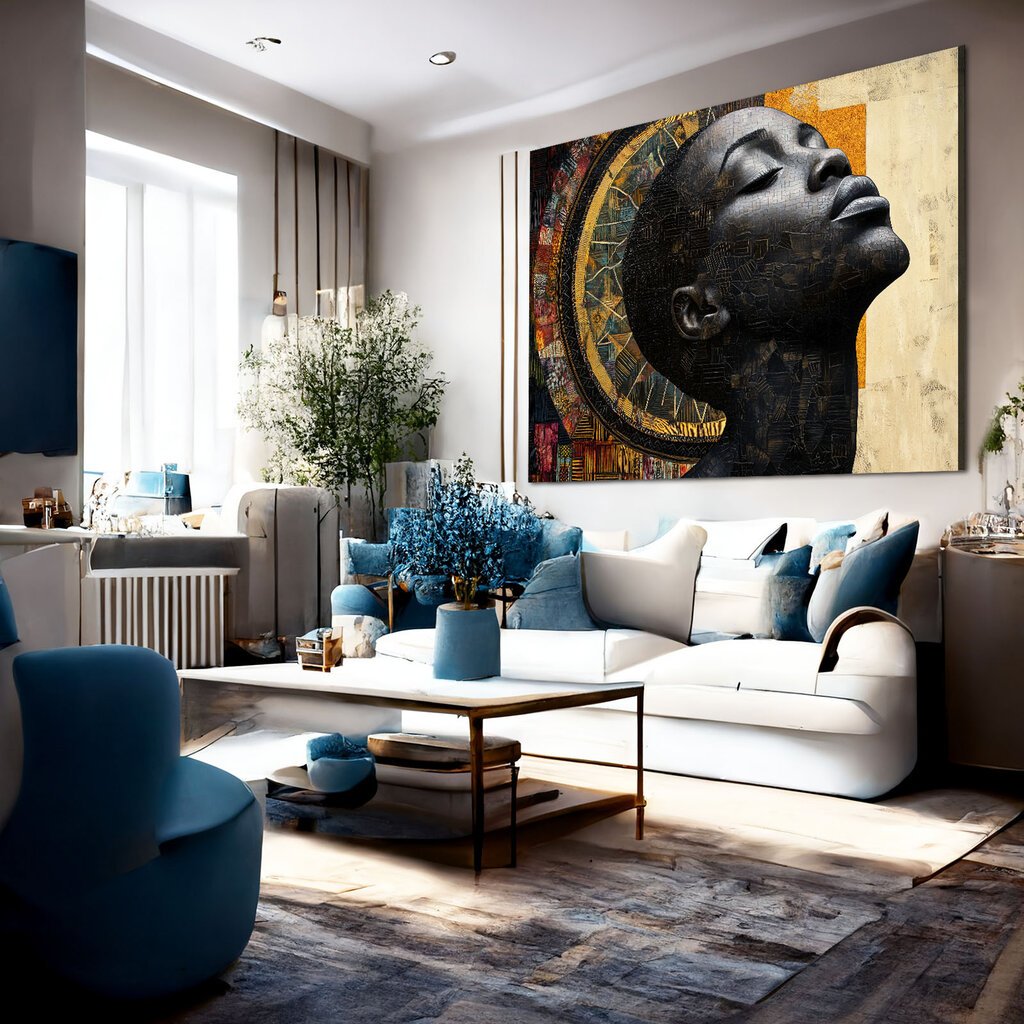

Why Art Should Lead the Interior Design Process
An art-focused interior begins with a simple idea: the artwork is not an afterthought. It is the foundation of the room. Many people decorate a space by choosing furniture first, then adding wall art at the end to fill empty walls. While this can work, it often makes the artwork feel secondary. In a truly art-focused interior, the art leads the mood, color palette, furniture choices, lighting, and overall atmosphere.
This approach creates a home that feels more personal, curated, and visually powerful. Instead of looking like a showroom, the space feels intentional. Every object supports the art, and every room has a clear point of view. Whether the artwork is abstract, floral, black and white, colorful, minimal, oversized, or dramatic, it becomes the emotional center of the space.
For homeowners who want maximum impact, Musa-Art-Gallery Official offers a strong starting point for creating interiors where wall art defines the room rather than simply decorating it.
Start With One Strong Statement Piece
The easiest way to build an art-focused interior is to begin with one main artwork. This could be a large canvas above the sofa, a bold piece above the bed, a dramatic print in the dining room, or an oversized artwork in the entryway. The goal is to choose one piece that immediately sets the tone.
A statement artwork gives the room direction. If the piece is colorful, the room can borrow its palette. If the artwork is black and white, the room can become more minimal and sophisticated. If the piece is soft and organic, the furniture can follow with warm textures and natural materials. If the artwork is bold and graphic, the room can become sharper and more contemporary.
This makes the design process easier. Instead of choosing random furniture and accessories, you use the artwork as the visual guide.
Let the Artwork Define the Color Palette
Color is one of the strongest ways art influences a room. A well-chosen artwork can give you the entire palette for the space. Look closely at the piece and identify the dominant colors, secondary colors, and small accent tones.
The dominant colors can guide larger elements such as rugs, curtains, or furniture. Secondary colors can appear in cushions, throws, lamps, or decorative objects. Small accent colors can be repeated once or twice for a polished look.
The key is not to match everything perfectly. A room that is too coordinated can feel artificial. Instead, allow the artwork to inspire the palette in a natural way. If the art includes deep blue, warm beige, and touches of gold, you might use a beige sofa, a blue cushion, and a brass lamp. This creates connection without making the room feel overly styled.
Choose Furniture That Supports the Art
In an art-focused interior, furniture should not compete with the artwork. It should support it. This does not mean the furniture has to be boring. It means each piece should help the artwork stand out.
If the artwork is very bold, choose cleaner furniture shapes. A strong abstract painting often looks best above a simple sofa. A colorful floral piece can shine in a room with neutral seating. A dramatic black artwork can feel more luxurious when paired with soft fabrics, wood, leather, or marble.
If the artwork is minimal, the furniture can carry more texture or shape. A simple line-art piece can pair beautifully with a sculptural chair, curved sofa, or textured rug. Balance is the goal. The art and furniture should feel connected, but one should not overpower the other.
Use Scale for Maximum Impact
Scale is one of the most important parts of an art-focused interior. Small artwork can be beautiful, but large artwork creates stronger presence. In modern spaces, oversized pieces often make the room feel more expensive, more complete, and more intentional.
A large artwork above a sofa can anchor the living room. A wide piece above the bed can create calm and balance. A tall vertical artwork in an entryway can make the ceiling feel higher. A dramatic piece in the dining room can turn the space into a conversation area.
The artwork should feel proportional to the wall and the furniture below it. If it is too small, it may look disconnected. If it is properly scaled, it becomes part of the architecture of the room. This is what makes a space feel designed rather than simply decorated.
Create a Clear Focal Point
Every art-focused room needs a focal point. This is the first place the eye lands when someone enters. In many rooms, the focal point should be the artwork. That means the art needs enough space, good placement, and proper lighting.
Avoid crowding a strong artwork with too many shelves, small frames, or decorative objects. Let it breathe. A powerful piece often looks better when it has empty space around it. This gives the artwork importance and makes the room feel more refined.
In a living room, the focal point might be above the sofa. In a bedroom, it might be above the bed. In a hallway, it might be at the end of the corridor. In an entryway, it might be directly in front of the door. Good placement turns art into an experience.
Use Lighting to Elevate the Artwork
Lighting can completely change how artwork looks. A beautiful piece can lose its impact if the room is poorly lit. In an art-focused interior, lighting should be used to highlight texture, color, and composition.
Natural light can make art feel fresh and alive during the day, but direct sunlight should be avoided if it risks fading the piece. In the evening, warm artificial lighting can create a more intimate and luxurious atmosphere. Picture lights, wall sconces, ceiling spotlights, or floor lamps can all help bring attention to the artwork.
The goal is to make the art feel intentional. When a piece is properly lit, it instantly feels more valuable and more important in the room.
Mix Art Styles Carefully
An art-focused home does not need every room to feature the same style. In fact, mixing art styles can make the home feel more interesting. Abstract art, floral prints, animal artwork, black-and-white photography, minimalist designs, and colorful statement pieces can all work together if there is a sense of connection.
The connection can come from color, mood, scale, or framing. For example, you might use different subjects throughout the home but keep a neutral color palette. Or you might use bold colors in several rooms but vary the art style. The goal is flow, not repetition.
A home should feel collected over time, not copied from one catalog. Art helps create that layered, personal feeling.
Build Around Texture and Materials
Artwork does not exist alone. It interacts with every texture in the room. A soft floral artwork feels different above a linen sofa than it does above a glossy black console. A bold abstract piece feels warmer when paired with wood and more dramatic when paired with marble or metal.
Use materials to support the artwork’s mood. Natural wood, linen, wool, rattan, and ceramic create warmth. Marble, glass, brass, leather, and metal create a more luxurious effect. Velvet, boucle, and textured rugs add softness and depth.
When the textures in the room match the emotion of the artwork, the space feels more complete.
Do Not Overdecorate Around the Art
One of the biggest mistakes in art-focused interiors is adding too much around the artwork. Extra decor can weaken the impact. If the artwork is meant to be the star, the surrounding elements should be edited carefully.
A console table below a large artwork may only need a lamp, a vase, and a few books. A sofa under a bold painting may only need simple cushions. A dining room with dramatic art may not need much more than strong lighting and clean furniture.
Luxury often comes from restraint. The more space you give the artwork, the more important it feels.
Use Art to Give Each Room a Mood
Different rooms need different emotional energy. The living room can handle bold, social, expressive artwork. The bedroom usually benefits from softer, calmer pieces. The dining room can use dramatic or colorful art to create atmosphere. The office can use artwork that feels focused, creative, or motivating.
Entryways should make a strong first impression. Hallways can use vertical art, gallery walls, or repeated pieces to create movement. Bathrooms and small corners can use smaller artworks to add charm and personality.
When each room has artwork that matches its purpose, the whole home feels more thoughtful.
Final Thoughts
Building an art-focused interior is about letting artwork lead the design. Instead of treating art as the final detail, use it as the starting point. Let it guide the colors, furniture, textures, lighting, and mood of the room.
The strongest interiors are not always the ones with the most decoration. They are the ones with a clear focal point, strong scale, and emotional impact. A single well-placed artwork can make a room feel more luxurious, personal, and complete.
With the right piece, a blank wall becomes a design statement. A simple room becomes memorable. A home becomes more than a collection of furniture. It becomes a curated space built around beauty, personality, and maximum impact.