

Have you ever been in a situation where someone suddenly stopped breathing and you did not know what to do? Learning CPR can help you act fast and save a life during an emergency. Many people feel scared in these moments, but simple steps can guide you.
This guide will show you clear actions, from checking safety to giving chest compressions and rescue breaths. By the end, you will understand how to perform CPR with confidence and care, even if you are a beginner facing a real emergency. It also explains when to call for help and stay calm too.
Checking Safety And Starting CPR
CPR is a vital skill that maintains blood and oxygen circulation when the heart ceases to beat. Initially, examine the area to confirm that it is secure for both you and the individual. Touch the individual and yell to check for a reaction.
If there is no response and no normal breathing, call emergency services or ask someone nearby to call. Place the person on their back on a firm surface. Kneel beside the chest and get ready to begin.
To feel more prepared, you can learn these steps in detail through Cprcertificationnow.com, which offers simple lessons for beginners. The site explains CPR clearly and helps build your confidence in real situations. Practicing what you learn can help you act quickly and safely when it matters most.
Giving Chest Compressions And Breaths
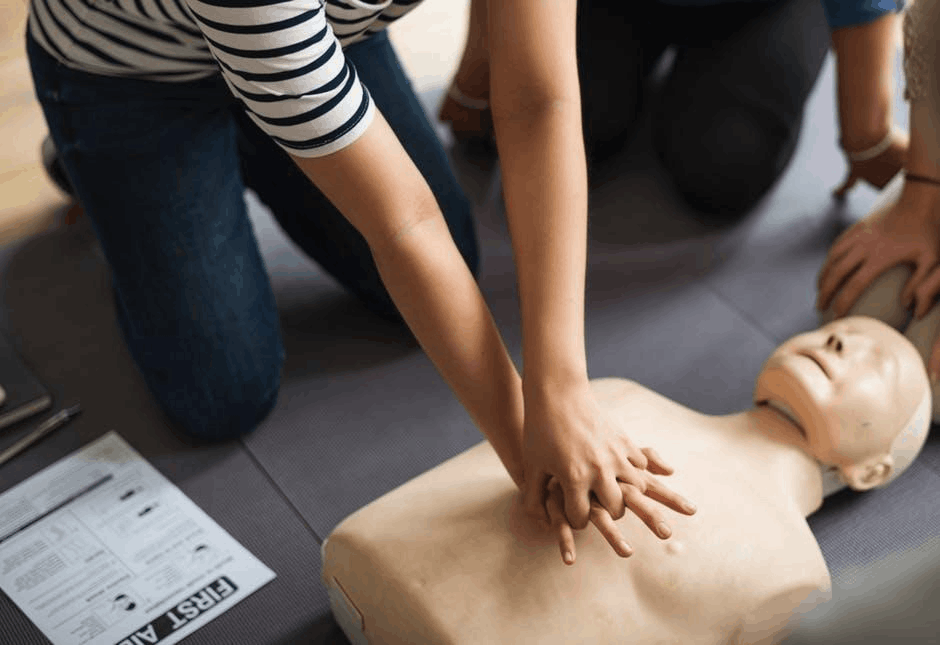
Place one hand in the center of the chest, then place your other hand on top. Keep your arms straight and press down hard and fast at a steady rhythm. Aim for about one hundred to one hundred twenty compressions each minute.
Let the chest rise fully after each push to allow blood to flow. After thirty compressions, open the airway by tilting the head back and lifting the chin. Pinch the nose, seal your mouth over theirs, and give two slow rescue breaths.
Keep your hands in the same position to stay accurate during compressions. Do not lean on the chest between pushes, as this can reduce blood flow. Watch the chest closely to make sure each breath helps it rise.
Using Hands Only CPR And Staying Consistent
If you are not trained to give breaths, you can do hands only CPR with steady chest compressions. Keep going without long pauses, as breaks can reduce blood flow. If an automated external defibrillator is nearby, turn it on and follow the voice prompts.
Stay calm and count out loud to keep a good pace during CPR. Good CPR can double or triple a person’s chance of survival in some cases. Keep going until help arrives or the person shows clear signs of recovery.
If another person is nearby, ask them to help so you can switch when you feel tired. Changing every few minutes can help keep compressions strong and steady. Working together can improve the chances of helping the person survive.
Stay Ready To Save A Life
Knowing what to do in an emergency can make a real difference. CPR is a simple skill, but it has the power to save lives when every second counts. By learning the steps and practicing them, you become more prepared to help family, friends, or even strangers.
Keep this guide in mind and review it often so the actions feel natural. When you stay calm and act with care, you can give someone a better chance to survive and recover.
Did this guide help you? Browse the rest of this section for more advice on a variety of topics today.