
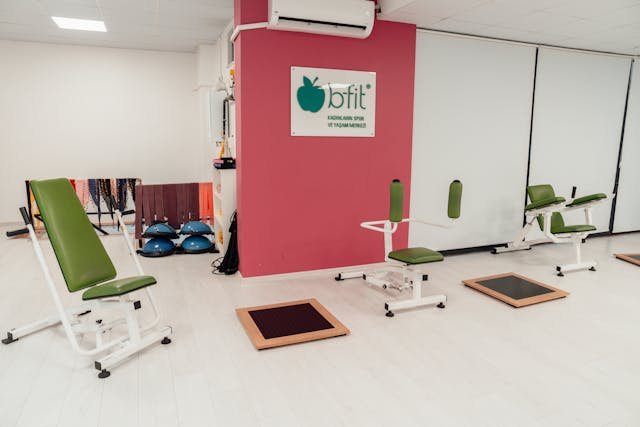

Starting a fitness business is more than just a way to make money, it’s about turning your genuine passion for health and wellness into something meaningful that helps others while building your entrepreneurial dream. Maybe you’ve envisioned a cozy yoga studio, an energetic CrossFit box, or a full-scale gym that becomes the community’s fitness hub. Whatever your vision, the fitness industry’s growth potential remains strong and promising.
But here’s the thing: enthusiasm and knowledge about fitness alone won’t guarantee success. The journey from that initial spark of inspiration to opening day involves navigating a complex landscape of planning, strategic choices, and critical decisions that’ll ultimately determine whether your business thrives or struggles.
Getting these foundational elements right from the start dramatically improves your odds of creating a sustainable, profitable fitness business that truly serves your community.
Developing a Comprehensive Business Plan
Think of your business plan as your fitness venture’s GPS, it’ll guide every turn you take and keep you from getting lost when challenges arise. This document needs to clearly articulate what makes your facility special and worth choosing over the competition down the street.
What’s your unique angle? Are you offering something the market desperately needs but can’t currently find? Your plan should dive deep into market research that proves people actually want what you’re planning to offer.
Include financial projections that cover at least three years, but make sure they’re grounded in reality rather than wishful thinking.
Securing the Right Location and Facility
Location isn’t just important, it can literally make or break your entire venture. You’re looking for that sweet spot where visibility meets accessibility, where there’s enough space for your vision, and where the rent doesn’t eat your entire budget before you even open. When you’re scouting potential locations, dig into the demographics surrounding each option.
What’s the population density? Do income levels match your pricing strategy? Is the age distribution aligned with your target market? How saturated is the area with competing facilities? Your space needs convenient access with plenty of parking because people won’t join a gym that’s a hassle to get to, regardless of how great your equipment is.
Understanding Regulatory Requirements and Protection
The regulatory maze you’ll need to navigate might seem overwhelming at first, but getting it right protects both your business and your future members. You’ll be dealing with business licenses, health department permits, building occupancy certifications, and potentially specialized permits depending on what services you’re offering. Planning to sell smoothies or retail merchandise?
That’ll require additional permits. Zoning regulations deserve careful attention because discovering your dream location isn’t zoned for fitness operations after signing a lease would be a nightmare scenario. Beyond basic licensing, fitness businesses face unique challenges because you’re essentially inviting people to push their physical limits in your facility.
Injuries happen, sometimes minor muscle strains, occasionally more serious accidents, and equipment can malfunction despite your best maintenance efforts. These risks create genuine liability exposure that can threaten everything you’ve built. When launching your facility, professionals who need to protect their business assets and members should secure fitness facility insurance that provides comprehensive coverage for liability claims, property damage, and professional risks specific to the industry.
Most landlords won’t hand over the keys, equipment financing companies won’t approve your loan, and franchisors won’t let you open without proof of adequate coverage. Connecting with insurance professionals who specialize in fitness operations ensures you’re not just checking a box but actually protecting your investment with coverage that addresses your specific operational realities.
Investing in Quality Equipment and Technology
The equipment filling your facility directly shapes how members perceive your business and whether they’ll stick around long-term. That initial equipment investment hurts, there’s no sugarcoating it, but cutting corners here almost always backfires.
Quality equipment lasts longer, operates safely, and creates the professional experience that keeps members renewing their contracts. Your equipment choices should reflect what your target market actually wants to use and what supports your facility’s core focus.
Building a Strong Team and Company Culture
Your staff will make or break your business, period. They’re the ones interacting with members daily, teaching classes, providing training sessions, answering questions, and either creating an environment people love or one they tolerate until something better opens nearby.
Hiring the right people starts with looking beyond just certifications and experience, though those matter. You need passionate individuals who genuinely care about helping others succeed and have personalities that fit your facility’s vibe.
Conclusion
Launching a fitness business demands attention to numerous critical elements that reach far beyond your love of fitness or desire to help people get healthy. You’ve got to develop a rock, solid business plan, secure a location that positions you for success, navigate regulatory requirements while protecting your assets, invest wisely in equipment and technology, and build a team that embodies your vision.
The fitness industry’s competitive nature and constantly evolving member expectations mean you can’t afford to get these fundamentals wrong. Success requires blending your fitness expertise with genuine business savvy, always balancing member satisfaction against financial sustainability.
By thoroughly addressing these five crucial areas before you hang your open sign, you’re setting yourself up to handle whatever challenges emerge while capitalizing on growth opportunities. The most successful fitness entrepreneurs understand that building a thriving business takes time, patience, and unwavering commitment to both serving members and running a smart operation, but the rewards of creating something that positively impacts your community make the journey absolutely worthwhile.