
Practical mental health skills are now necessary in a fast-paced society where stress, uncertainty, and emotional strains have grown commonplace. It is very beneficial for both adults and children to learn how to identify emotional difficulties, react correctly, and confidently help others. Gaining these abilities promotes healthier families, communities, and workplaces in addition to enhancing individual resilience.
The Significance Of Useful Mental Health Skills
How individuals think, work, communicate, and deal with challenging circumstances is influenced by their mental health. Youth who possess excellent mental health abilities are more equipped to deal with social demands, academic stress, and the formation of their own identities. These abilities strengthen relationships, reduce burnout, and help people make better decisions. A more supportive atmosphere is produced for both the individual and those around them when individuals learn to recognise the symptoms of distress and control their emotions.
Increasing Self-Belief With Early Response Training
The 11379NAT Initial Response to a Mental Health Crisis is one of the most beneficial programmes for people to prepare for difficult circumstances. Participants learn how to see early warning signs, interact with someone in distress in a safe way, and know when to seek help in this nationally accredited course. The programme places a strong focus on calm communication, attentive observation, and practical action—skills that are essential for parents, educators, youth workers, and regular community members.
The training also aids in overcoming hesitancy and fear. A lot of individuals are afraid of saying the incorrect thing in an emergency, but systematic learning eliminates doubt and brings clarity. Individuals stop being mute onlookers and instead become self-assured helpers.
Youth Development And Mental Health Courses
Academic pressure, cyberbullying, and the quickly shifting societal norms are just a few of the emotional obstacles that today’s youth must deal with. Young people are introduced to resilience-building practices, emotional literacy, and good coping mechanisms in mental health courses intended to empower them. These classes teach adolescents and young adults how to identify when they or their friends are having difficulties and how to ask for assistance without feeling guilty.
These initiatives lessen stigma by normalising discussions about stress, anxiety, and emotional health. After completing such training, young people are more likely to form lifetime routines that value mental health, encourage their peers, and express their emotions in a healthy way. Schools, athletic teams, and youth groups are including mental health education more and more because they see the long-term benefits it produces.
Enhancing Communities And Families
Everyone in the community gains when adults and children learn mental health skills. Workplaces become more compassionate, support systems become stronger, and households become safer. A knowledgeable person is able to identify early signs of distress in loved ones, provide appropriate support, and, if necessary, advocate for professional help.
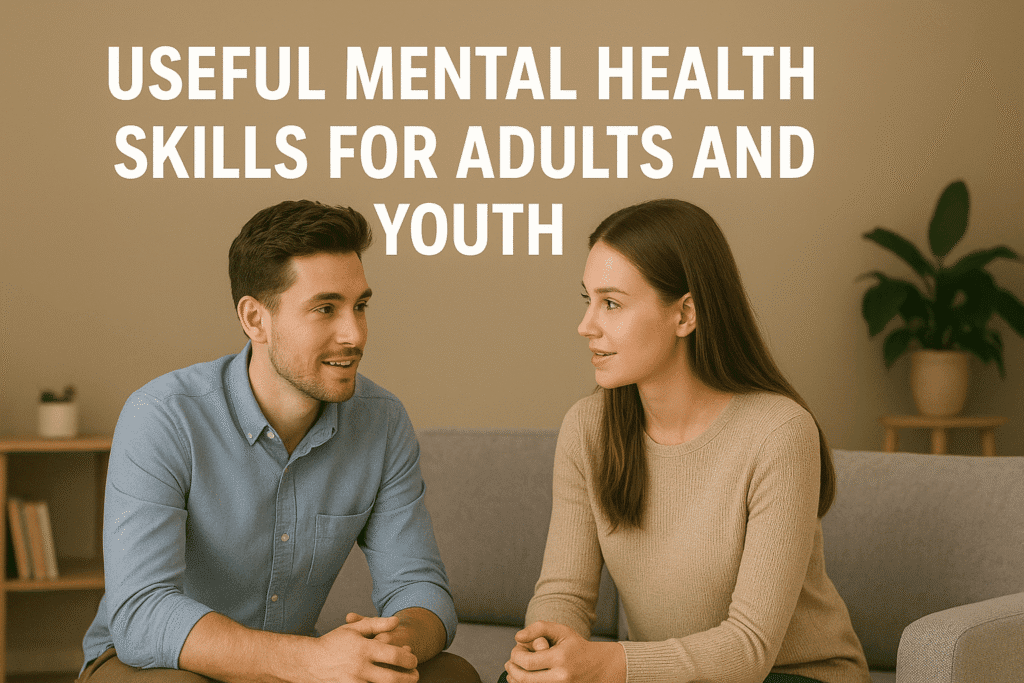
Communication skills like active listening, calm questioning, and nonjudgmental encouragement are taught in a mental health course and are crucial. These methods assist families in managing emotionally delicate situations with empathy rather than hostility. As more individuals acquire these abilities, communities become closer and more equipped to deal with stress as a group.
Improving Daily Life With Emotional Resources
Effective mental health techniques are not only for emergency situations; they have a significant impact on day-to-day living. Young people gain confidence and acquire coping mechanisms for test pressure. Adults acquire techniques for bettering emotional control, lowering burnout, and striking a balance between obligations. These techniques, which include developing healthy boundaries, being attentive, and learning how to communicate emotions effectively, all support steady mental health.
Being able to identify emotional patterns and triggers enables people to be proactive rather than reactive. This change not only increases self-assurance but also promotes better choices in all facets of life.
A Future Where Everyone Is Supported
Giving adults and youth mental health skills lays the groundwork for more cohesive, caring societies. By embracing knowledge, engaging in organised programmes, and having frank conversations about emotional health, society can lessen stigma and promote early intervention. These abilities have the potential to change lives, whether they are acquired via the 11379NAT Initial Response to a Mental Health Crisis, general Mental Health Courses, or a particular Mental Health Course.
Everyone gains when people are able to react with confidence, clarity, and empathy. By making an investment in useful mental health skills now, we can create a future where individuals feel connected, supported, and capable of thriving despite any obstacles.