
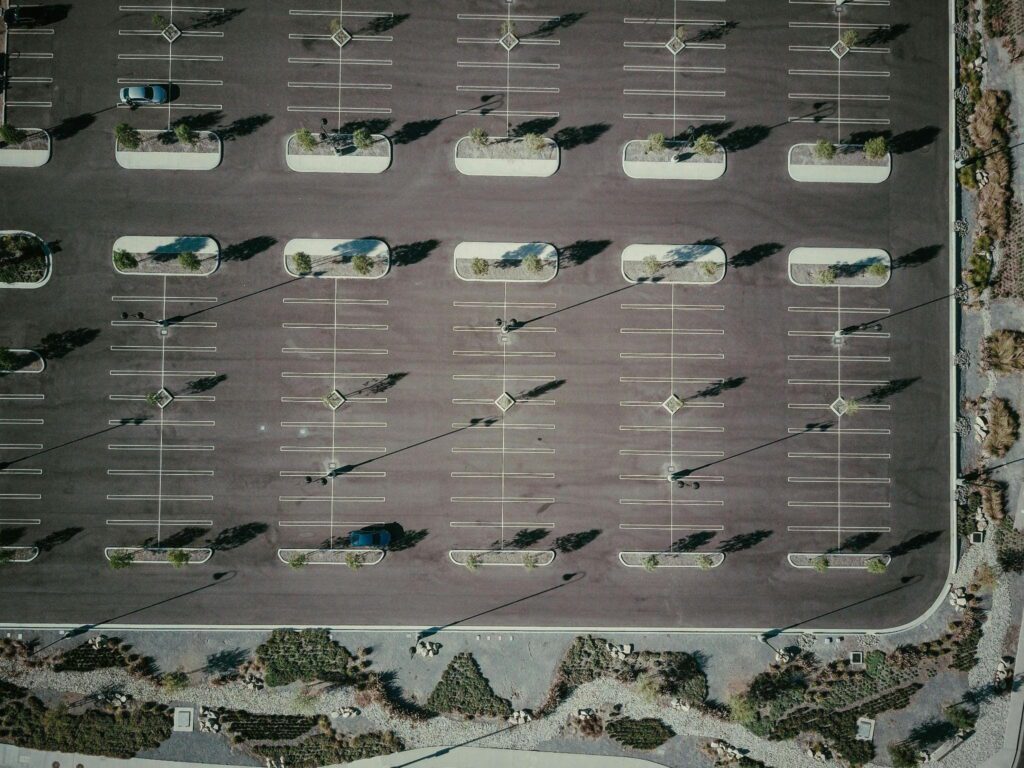

A commercial parking lot upgrade isn’t just cosmetic in nature; it is structural, financial, and operational in impact. You’re managing a significant investment, often under close scrutiny from leadership, and the margin for error is small. Cracking under heavy truck loads, drainage failures after heavy rain, or tenant complaints about access can quickly turn into costly headaches. This decision affects safety, compliance, and long-term maintenance budgets. When it’s done right, your site performs for years. When it’s done wrong, you’re dealing with repairs and reputational damage.
This isn’t about choosing the cheapest quote. It’s about understanding load capacity, sub-base preparation, drainage design, compliance requirements, and lifecycle cost before work begins. With a clear framework, you can reduce risk, protect your budget, and move forward with confidence. Here are the key considerations to guide your decision.
1. Understanding Traffic Load & Structural Requirements
Many commercial car parks fail because they were not designed for the vehicles that actually use them. Heavy delivery trucks, waste collection vehicles, and frequent traffic place stress on pavement that thin layers and poorly prepared bases cannot handle. Cracking often appears within a few years, and repairs become ongoing. Generic specifications may look sufficient on paper, but they rarely reflect your site’s real load demands.
You need to assess traffic volume and weight categories before choosing materials. Pavement thickness, sub-base preparation, and compaction testing must align with expected loads, whether you choose concrete or asphalt. When the structure matches the traffic, the surface performs as intended. This approach can extend lifespan by decades, protect your capital investment, and significantly reduce reactive maintenance calls.
2. Drainage Design: The Most Overlooked Failure Point
Water is one of the most damaging forces in a commercial parking lot. Pooling after rain weakens the sub-base, accelerates surface deterioration, and creates slip hazards for customers and staff. Poor gradients may also expose you to compliance risks. Drainage is often overlooked during planning, yet it determines how well the pavement performs long term.
Proper site grading and fall design must be built into the project from the start. Stormwater drainage systems should account for local rainfall conditions and comply with Australian standards. When water is directed away efficiently, the pavement remains structurally sound and safer to use. This reduces liability exposure and avoids costly resurfacing caused by preventable water damage.
3. Minimizing Operational Disruption During Construction
A full car park closure can frustrate tenants and impact daily operations. If staging is poorly planned, delivery routes are blocked and customers struggle to access the site. Timeline overruns quickly erode trust, especially when leadership expects seamless execution. Construction that ignores business continuity creates unnecessary stress.
Phased construction planning allows work to proceed while maintaining clear access routes. Transparent timelines and early coordination with tenants set expectations before machinery arrives on site. When disruption is carefully managed, your operations continue with minimal interruption. This protects tenant relationships, maintains revenue flow, and reinforces confidence in your project management.
4. Compliance, Accessibility & Safety Standards
Inadequate line marking or accessibility compliance can lead to fines and reputational damage. Uneven surfaces, poor lighting integration, or missing disabled bays increase injury risk and legal exposure. Overlooking regulations during construction often results in expensive retrofits later. These issues are avoidable with proper planning.
Compliance with Australian accessibility and safety standards should guide layout and finishing decisions. Clear traffic flow marking, correctly positioned accessible bays, and non-slip finishes improve usability and reduce hazards. Pedestrian zones and crossings must also be thoughtfully incorporated. When safety and compliance are prioritised from the start, you reduce liability and present a professional, well-managed property.
5. Balancing Upfront Cost vs Long-Term Value
The lowest quote often reflects thinner pavement layers or reduced preparation standards. While the upfront cost may appear attractive, short-term savings frequently lead to recurring repairs. Budget pressure from senior management can make cheaper options tempting. However, resurfacing within a few years quickly erodes those initial savings.
You should compare lifecycle costs rather than focusing solely on the initial figure. Consider maintenance expectations, warranty terms, and the contractor’s proven track record. Requesting a detailed scope breakdown helps you understand exactly what you are paying for. When decisions are based on long-term value, you gain predictable maintenance costs and a stronger justification for your investment strategy.
Making the Right Investment
Paving a commercial parking lot is not a surface upgrade. It is a structural investment that affects safety, compliance, operations, and long-term cost. When you prioritise sound structural design, effective drainage, careful operational planning, and lifecycle value, you reduce risk from the outset. Working with experienced specialists like Atlas Paving gives you the clarity and expertise needed to protect your property today and support its performance well into the future.