
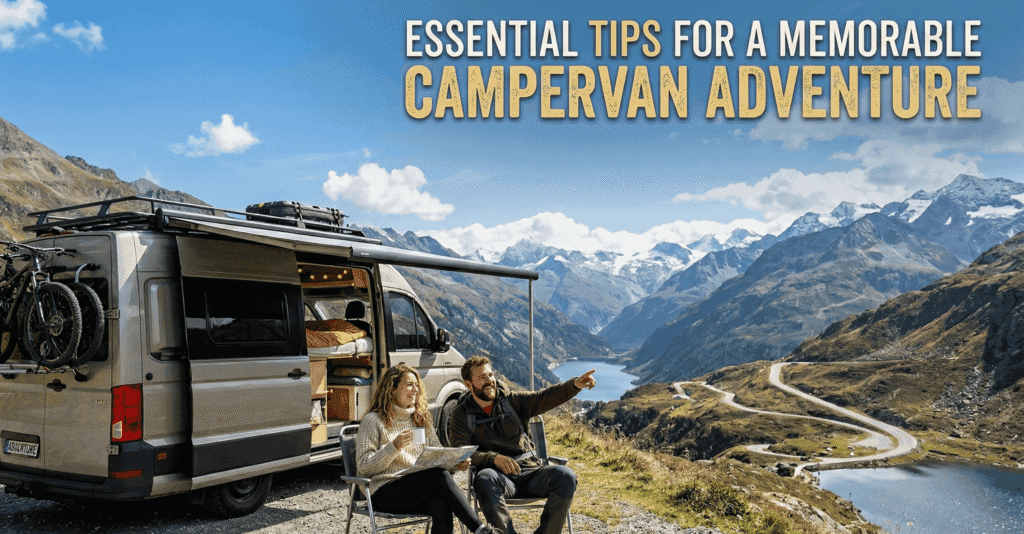

Embarking on a campervan journey across Iceland allows you the unique freedom to enjoy dramatic landscapes, geothermal wonders, and remote villages at your own pace. For those looking to make the most of this experience, careful planning is crucial. Choosing an affordable Iceland camper van rental can help you make the most of your trip, freeing up your budget for adventures and ensuring comfort throughout your journey.
This article outlines everything you need to know before hitting the open road in Iceland, including essential packing tips, route planning strategies, budgeting advice, and environmental best practices. Whether you are seeking to witness the magic of the Northern Lights or the majesty of roaring waterfalls, these tips will help you travel smarter and more responsibly.
The ever-changing Icelandic weather and vast wilderness require some special preparation. From navigating local traffic regulations to choosing the right campervan and respecting protected environments, being informed and organized will turn your road trip into an unforgettable experience.
By understanding local laws, preparing for the elements, and respecting the unique nature of this spectacular island, you will be set for a safe and memorable journey. Planning ahead, packing wisely, and staying up to date with local resources are essential steps to making the most of your campervan adventure.
Choose the Right Campervan
Choosing a campervan that matches your itinerary and group size is essential for both comfort and safety. If venturing onto Iceland’s famed F-roads in the highlands, a four-wheel-drive model is required due to rough and unpredictable terrain, accessible only in the summer months. For journeys that stick to the main Ring Road and paved routes, a standard two-wheel-drive campervan is sufficient. Always ensure your rental includes features suited to the season, such as an interior heating system for colder months and reliable insulation. Choosing an appropriate camper also means confirming that it includes kitchen amenities and bedding, which will make overnight stays easier and keep you independent of external services.
Understand Iceland’s Driving Regulations
Before taking to the road, take time to familiarize yourself with Iceland’s specific traffic laws and customs. Headlights must be kept on at all times, regardless of weather or daylight, in order to increase visibility. Speed limits are strictly enforced: usually 50 km/h in towns, 80 km/h on gravel roads, and 90 km/h on paved rural highways. Off-road driving is strictly forbidden and can result in hefty fines as it damages sensitive plant life and habitats. When approaching single-lane bridges, the car closest to the bridge always has the right of way, so drive cautiously and yield as necessary.
Plan Your Route and Campsites
Wild camping is not permitted in Iceland, making it essential to plan your route and book campsites in advance, especially during the summer. With around 200 campsites spread across the island, there are plenty of options, but not all offer the same level of amenities. Some campsites provide showers, kitchens, and electricity, while others are quite basic.
Prepare for Variable Weather Conditions
Iceland’s weather is famously unpredictable. Blue skies can turn to wintry squalls in a matter of hours, even in summer. Pack plenty of warm layers, including waterproof jackets, windproof outer shells, thermal underwear, and sturdy, insulated boots. Make a habit of checking the local weather forecast each morning and adjust your plans as needed. Access to up-to-date weather and road conditions is vital for safety, especially in rural or mountainous regions where sudden storms are common. Always plan for delays or detours due to weather.
Pack Essentials for Comfort and Safety
A well-stocked campervan is the foundation of a smooth journey. Bring a reliable cooking setup so you can prepare meals anywhere and avoid dependence on restaurants, which can be costly and sparse outside larger towns. High-quality sleeping bags rated for sub-zero temperatures make nights comfortable even when the mercury drops. Navigation devices such as GPS units and offline maps are helpful, as remote areas may have poor cell reception. A comprehensive first-aid kit is non-negotiable, giving you peace of mind during emergencies or minor ailments when far from professional care. Additionally, keep a flashlight, spare batteries, and extra blankets handy at all times.
Budget Wisely
Traveling in a campervan can be economical if you manage your expenses carefully. Account for the cost of your vehicle rental, which varies by season and campervan type. Fuel is relatively expensive in Iceland, so plan your refueling stops, especially in rural regions where service stations can be sparse. Campsite fees typically range from 1,500 to 2,500 ISK per night per adult and may include shared facilities. Cooking your own meals rather than dining out drastically lowers costs, and shopping at local supermarkets is more affordable than roadside shops.
Respect the Environment
Iceland’s astounding natural beauty is environmentally fragile. Adhering to strict “leave no trace” ethics is vital. Dispose of all waste at designated locations, stick to marked trails, and never pick or disturb local flora. Off-road driving is harmful and illegal, causing damage that can take decades to heal. By respecting these guidelines, you will help protect Iceland for future generations and enjoy a richer, more meaningful connection to the landscapes you visit.
Stay Connected and Informed
Staying updated on local road conditions and changes in weather forecasts is essential, especially in such a dramatic climate. Reliable online resources provide live updates on road closures, weather warnings, and safety advisories. Consider renting or purchasing a portable Wi-Fi device for consistent access to maps and communication, particularly in more remote stretches where mobile coverage can be patchy.
A campervan adventure in Iceland offers a uniquely flexible and immersive way to explore one of the world’s most stunning destinations. With careful planning and an informed approach, your journey will be as safe as it is spectacular, rewarding you with memories of breathtaking landscapes and a deep sense of adventure.