
As industries grow and change, laser technology is becoming a powerful tool in many projects. It helps make work faster, more accurate, and better overall.
Did you know laser machines can speed up production and make fewer mistakes? That’s why many businesses, like those in construction and manufacturing, are now using this smart technology.
But it’s not just about speed. Laser tools also help people create new ideas and work in more eco-friendly ways.
This simple guide will show how laser technology improves precision, efficiency, and innovation in commercial projects.
Understanding Laser Technology
Laser technology, which stands for Light Amplification by Stimulated Emission of Radiation, is now used in many industries because it’s very accurate and useful. At first, it was made for science experiments, but today it’s used in many jobs like cutting, engraving, and welding.
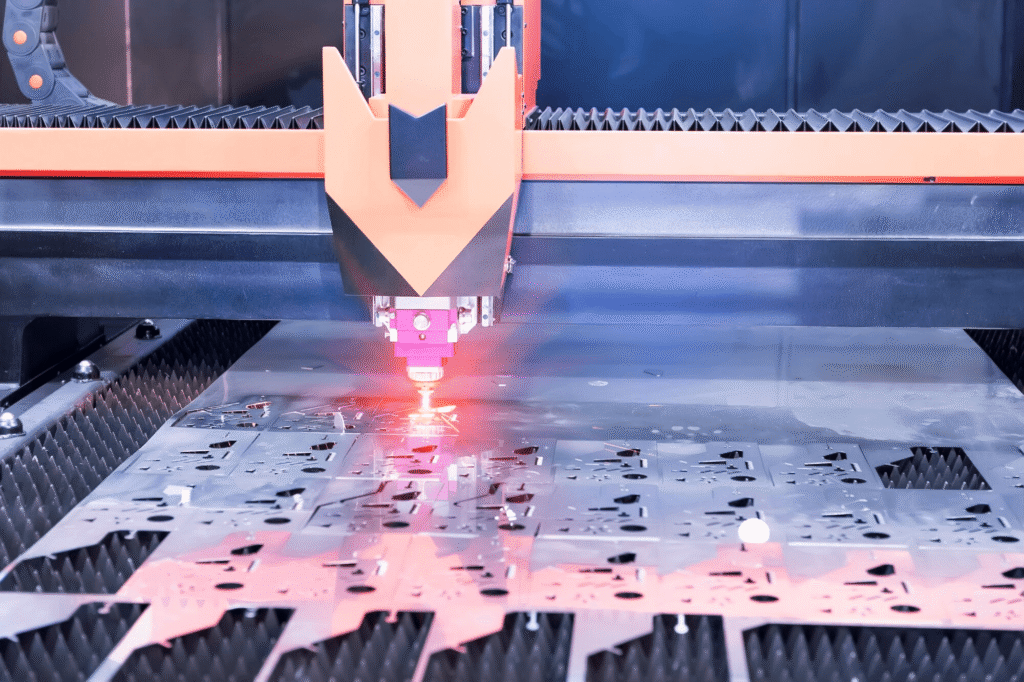
These laser tools can make very detailed shapes that old tools can’t do. For example, when working with metal, lasers can cut clean lines and waste less material.
Because lasers save time and money, many project managers like using them for their work.
Key Benefits of Laser Technology in Commercial Projects
Using laser technology in building and business projects has a lot of great benefits. One big advantage is that lasers are super precise. This means they can make very accurate cuts and measurements, so every part fits just right.
Lasers also work fast. Because of this, companies can finish projects on time without losing any quality.
Another good thing is that lasers help reduce waste. Since the cuts are so exact, there’s less leftover material. This saves money and helps the environment.
Lasers are also very flexible. They can be used on many different materials like metal, plastic, and wood. This makes them perfect for all kinds of projects.
Applications of Laser Technology
Laser technology has numerous applications in commercial projects:
1. Laser Cutting
Laser cutting is one of the most impactful uses of laser technology. This method allows for the cutting of materials with exceptional accuracy.
Companies in sectors like automotive and aerospace rely on laser cutting to create components that meet exact specifications. It ensures both safety and performance.
2. Laser Engraving
Engraving with lasers offers a unique advantage. This application is critical for branding. It enables businesses to personalize their offerings effectively.
3. Laser Welding
Laser welding is a rapid and effective method for joining materials. It proves particularly useful in the automotive industry. This is where the ability to weld thin materials without excessive heat distortion is vital.
Steps to Integrate Laser Technology into Your Projects
Successfully incorporating laser technology into various commercial projects involves careful planning and execution. Here are some essential steps to consider:
1. Assess Your Needs
Begin by looking at how your team works now and where lasers could help. Focus on tasks that need more speed or accuracy. Knowing what you need helps you choose the best laser tools for the job.
2. Choose the Right Equipment
Invest in laser machines that match your project goals and materials. Think about things like power level, what materials it can work with, and how it connects to your software. The right equipment can make a big difference in how well the job gets done.
3. Train Your Team
Make sure your workers know how to safely and correctly use the new tools. Good training helps avoid accidents and improves results. A well-trained team will also feel more confident using laser machines.
4. Implement Gradually
Start by using the laser system on small jobs to test how it works. This helps you fix problems early without spending too much. Once everything runs smoothly, you can use it on bigger projects.
Challenges in Integrating Laser Technology
Despite its advantages, integrating laser technology into existing commercial projects presents challenges. The initial investment can be substantial. There may be a learning curve associated with operating sophisticated laser systems.
Companies must also evaluate their current processes to determine how best to incorporate this technology without disrupting workflows.
Overcoming Integration Challenges
To deal with these challenges, companies can try a few smart steps. First, it’s important to train workers.
People need to learn how laser systems work, what they can do, and what they can’t do. This helps them use the machines in the best way possible.
Next, it’s a good idea to bring in laser technology slowly. By testing it bit by bit, businesses can see what works and make changes if needed.
Lastly, working with experts is helpful. These professionals can give advice and share tips on how to use the new systems properly. All of these steps can help make the change easier and more successful.
Case Studies: Success Stories of Laser Technology Integration
Several companies have successfully integrated laser technology into their processes, showcasing the potential benefits:
1. An Automotive Manufacturer
A major automotive manufacturer adopted laser cutting technology to improve the production of chassis components. As a result, they see a reduction in production time and a significant decrease in material wastage.
2. A Metal Fabrication Firm
A metal fabrication firm specializes in customizing components for various industries. By implementing laser cutting and welding techniques, they enhanced their operational efficiency and reduced turnaround times. This solidifies their reputation in the market.
The Future of Laser Technology in Commercial Projects
As technology advances, the capabilities of lasers continue to expand. From higher precision to even faster processing speeds, the future promises exciting developments.
Integrators are also working towards making laser systems more user-friendly. This enables a broader range of businesses to take advantage of these technologies.
Moreover, as sustainability becomes a top priority, the energy efficiency of laser technologies will likely play a significant role in their adoption. Companies that prioritize eco-friendly practices will find laser technology particularly appealing due to its reduced waste and lower energy consumption.
Embracing Laser Technology for Future Success
Using laser technology in business projects has many great benefits. It helps make work more accurate, faster, and better for the environment. As companies look for smarter ways to work, those that use lasers may get ahead of the competition.
If you want to get the most out of this technology, it’s a good idea to talk to experts. Now is the perfect time to improve your projects-especially if you work with metal or in other areas that can benefit from lasers.
For more technology tips, check out our blog posts.