
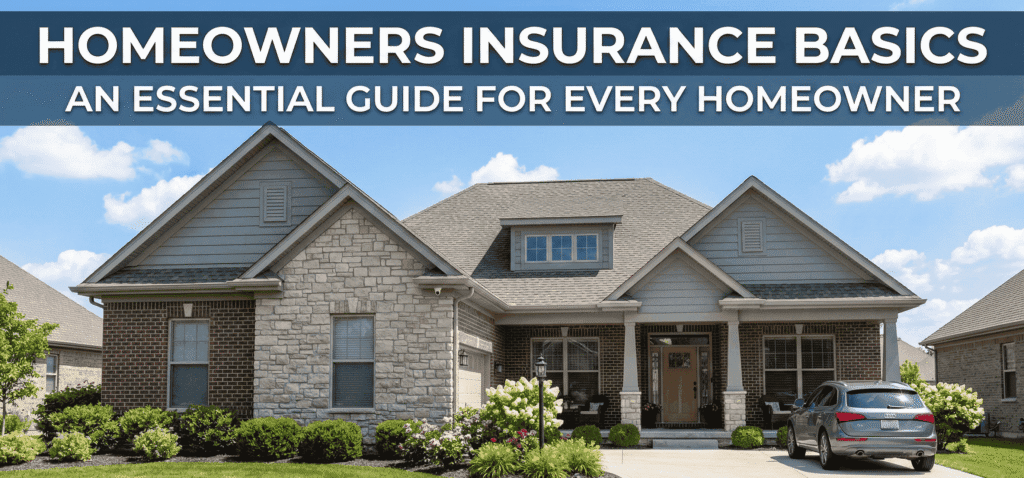

Key Takeaways
- Homeowners insurance protects your home and financial stability from disasters, theft, and liability.
- Dwelling coverage covers the physical structure, including attached structures, at replacement cost.
- Personal property coverage safeguards belongings, with additional endorsements for high-value items.
- Liability protection covers legal expenses if someone is injured or property is damaged.
- Additional Living Expenses (ALE) help cover temporary housing and extra costs if your home is uninhabitable.
- Supplemental coverage, such as flood, earthquake, umbrella, or valuables insurance, fills gaps in standard policies.
- Premiums are influenced by location, home characteristics, credit score, and claims history.
- Policy reviews are essential, either annually or after major life changes, to ensure adequate coverage.
- Choosing the right policy involves assessing needs, comparing quotes, reviewing details, and considering bundling options.
Understanding Homeowners Insurance
Homeowners insurance acts as a crucial safety net for your most valuable asset, your home. This type of insurance provides financial protection against a broad range of risks, including natural disasters, theft, vandalism, and injuries on your property. With so much uncertainty in life, unexpected storms, break-ins, or even accidental kitchen fires- it is reassuring to know that a reliable insurance policy can be there to help you recover. For many people, their home is not just their most significant investment but also the center of family and financial stability. Whether your home is mortgaged or owned outright, maintaining comprehensive insurance is vital for peace of mind and financial security in the event of the worst. A robust policy can make the difference between a manageable setback and a devastating financial loss. Not only do banks and mortgage lenders often require proof of homeowners’ insurance to safeguard their interests, but being properly insured is also a responsible step for any homeowner who wants to protect their future. For a comprehensive look at available coverage options, visit https://www.thehartford.com/aarp/homeowners-insurance to explore policies tailored to various needs.
It’s important to understand that most lenders make homeowners’ insurance a non-negotiable aspect of getting a mortgage since it protects the lender’s investment in the home as well as your own. Even if you own your property outright, having coverage remains essential because no one can predict events like hurricanes, fires, or burglaries. Natural disasters, accidental fires, and unexpected break-ins can disrupt lives and finances in an instant, turning years of savings into out-of-pocket repair costs. The reality is that damage or loss can happen at any time, and the cost of rebuilding or major repairs can be overwhelming, especially if you are underprepared. An insurance policy ensures you are not left vulnerable or forced to drain your savings to manage disaster recovery, and it can restore a sense of normalcy more quickly after a crisis.
Key Components of a Standard Policy
A standard homeowners insurance policy is designed as an all-in-one solution, combining several types of coverage into a single plan to address the most common risks faced by property owners. By understanding the main elements of homeowners’ insurance, you become aware of exactly what is included, what is not, and where you may need additional coverage. The primary components of most policies include:
- Dwelling Coverage: This provides funds to repair or rebuild your home’s physical structure after damage from sources such as fire, wind, hail, or vandalism. Coverage generally extends to attached structures such as garages, decks, or patios. The amount of dwelling coverage should reflect the current replacement cost of rebuilding your home, not just its market value.
- Personal Property Coverage: Personal items such as furniture, clothing, and electronics are protected if they are stolen or damaged by a covered event. Many policies reimburse you for either the actual cash value (cost to replace minus depreciation) or the replacement cost (cost to buy new) of these belongings. Creating a home inventory can help document and claim lost items quickly.
- Liability Protection: If someone is injured on your property or you cause third-party property damage, liability coverage assists with legal expenses and damages up to your policy limit. Some policies also protect you from certain off-premises incidents, such as your dog biting someone at a park.
- Additional Living Expenses (ALE): When your home becomes uninhabitable due to a covered risk, ALE coverage pays for temporary accommodation, meals, and other extra living costs until repairs are complete. This coverage is invaluable during long repairs, helping you maintain a semblance of routine during a disruption.
Common Misconceptions About Coverage
Many people mistakenly believe that their policy will cover every kind of loss, but standard homeowners insurance usually excludes certain types of loss. For example, most policies do not cover flood or earthquake damage. These require separate policies or additional endorsements, so if you live in an at-risk area, you’ll need to look into supplemental insurance. Water backup, mold, termite damage, and routine wear and tear are also commonly excluded, which surprises many policyholders when they try to file a claim. Reviewing your policy paperwork or speaking with your agent to clarify exclusions is key to making sure you are properly protected and do not face denied claims in the future.
Factors Influencing Premiums
The cost of a homeowner’s policy can vary significantly based on personal and property-related characteristics, so knowing what factors into your premium can help you manage costs effectively. Your home’s location is a primary determinant; premiums tend to be higher in regions with a higher risk of severe weather events, such as hurricanes or wildfires, or in areas with elevated crime rates. Other key factors include the age and condition of your home, roofing materials, proximity to emergency services, and whether you have security or safety devices installed, such as burglar alarms or smoke detectors. Insurers also consider:
- Location: Living in areas prone to hurricanes, tornadoes, or wildfires will likely result in higher premiums. Additionally, being close to a fire station or hydrant may lower your rate, while remote properties usually cost more to insure.
- Home Characteristics: The age of the home, the types of materials used in construction, and general upkeep impact rates. Modern, well-maintained homes with updated wiring and roofs often cost less to insure because they pose a lower risk to the insurer.
- Credit Score: Many insurers use credit history as a predictor of risk, meaning a better score can lower your insurance costs. According to a recent analysis, homeowners with lower credit scores pay nearly $2,000 more per year than those with excellent credit scores. Insurers view those with strong financial habits as more reliable customers and less likely to file frequent claims.
- Claims History: Past insurance claims can flag you as a higher risk, leading to higher premiums. Fewer claims over time can improve your insurance profile and potentially reduce your rates, so only file claims when truly necessary to prevent premium hikes.
Additional Coverages to Consider
Depending on your specific situation and location, you may want to supplement your homeowners’ insurance with extra policies or endorsements to address gaps left by standard coverage. Some scenarios require more robust protection to avoid surprises after disasters:
- Flood Insurance: Essential for properties in flood zones, since standard homeowners insurance rarely includes flood protection. The National Flood Insurance Program (NFIP) offers policies in participating areas, and many private insurers also provide coverage. Flood insurance is often required by lenders in designated flood hazard zones and can be easily overlooked until disaster strikes.
- Earthquake Insurance: Guarantees coverage for quake-related damages, especially important in high-risk areas such as parts of California, Oregon, and Alaska. Standard policies rarely offer earthquake protection, so seeking a specific endorsement or separate policy is a smart move if you live near fault lines.
- Umbrella Insurance: Offers additional liability coverage beyond your home’s basic policy limit. This can provide peace of mind if you face a major lawsuit or accident where your liability exceeds the basic policy’s payout, such as after a severe injury on your property or a property damage claim.
- Valuables Coverage: Boosts protection for high-value or collectible items such as jewelry, fine art, or rare collections that exceed a standard policy’s limits. Scheduling specific items individually ensures appropriate reimbursement if they are lost, stolen, or damaged in a covered event.
Tips for Choosing the Right Policy
Finding the most appropriate homeowners’ insurance involves more than just comparing prices. Taking the following steps ensures you get comprehensive protection and value:
- Assess Your Needs: Calculate your home’s replacement value and the value of your possessions to determine the amount of coverage you need. Conducting a home inventory helps ensure nothing is overlooked, especially high-value or unique items that may require extra coverage.
- Compare Quotes: Shopping around with different providers lets you evaluate coverage, exclusions, deductibles, and rates. Using online comparison tools or consulting an independent agent can help you find the most competitive options and avoid unnecessarily high premiums for similar protection.
- Review Policy Details: Thoroughly understand what is included—and excluded—before making your decision. Ask your agent questions about anything unclear to avoid misunderstandings or disappointment when you file a claim.
- Consider Bundling: Many insurers provide discounts if you combine your homeowners, auto, life, and other coverage with them. Bundling can also streamline claims and billing processes and sometimes provides additional customer perks or loyalty benefits.
- Maintain Good Credit: Keeping your credit score high can help you secure better rates and lower premiums. Paying your bills on time, reducing debt, and monitoring your credit report for errors can all help lower your insurance costs and improve your overall financial health.
Staying Informed About Policy Changes
Insurance offerings and premiums are dynamic and can change with new laws, evolving risks, or broader market conditions that affect both homeowners and insurers. For instance, regulations in states like California have shifted, now mandating increased coverage in wildfire-prone areas, which impacts both availability and pricing for residents. Likewise, insurers may update terms after large-scale disasters or shifts in industry losses to better reflect evolving risk environments and claims experience. Regular policy reviews and staying up to date on industry developments, as reported by sources, will help ensure your home remains protected as circumstances evolve. Make it a habit to review your coverage annually or after major life changes, such as renovations or a move, to ensure your policy still fits your needs.
Final Thoughts
By understanding the basics of homeowners’ insurance and the key details that affect your coverage, you empower yourself to make confident decisions to protect your home and family. Take the time to read your policy, assess additional needs, and stay updated with regulatory or market shifts that could affect your rates, available coverage, or claim procedures. Comprehensive coverage tailored to your situation means greater security and invaluable peace of mind for years to come, turning your home into a true safe haven against unexpected events.